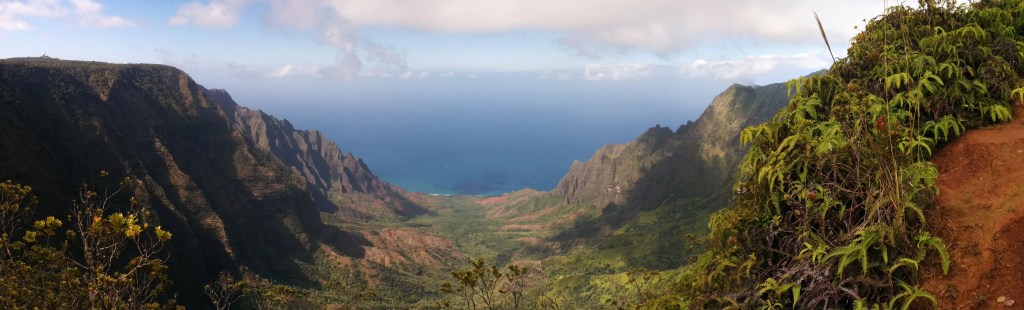
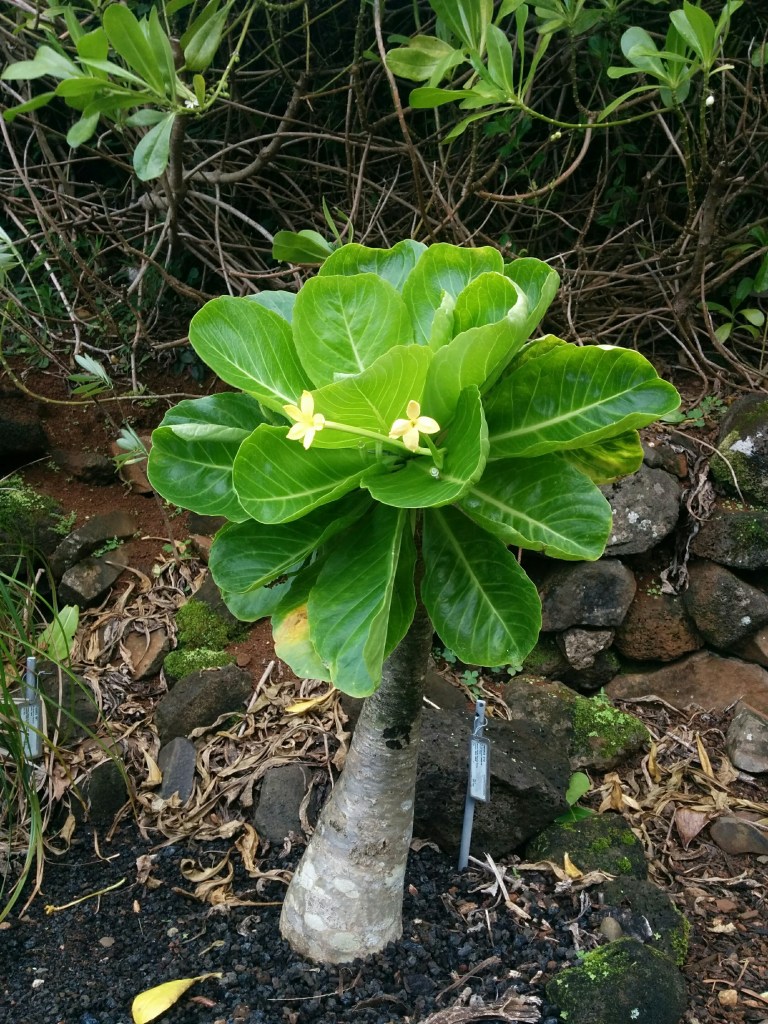
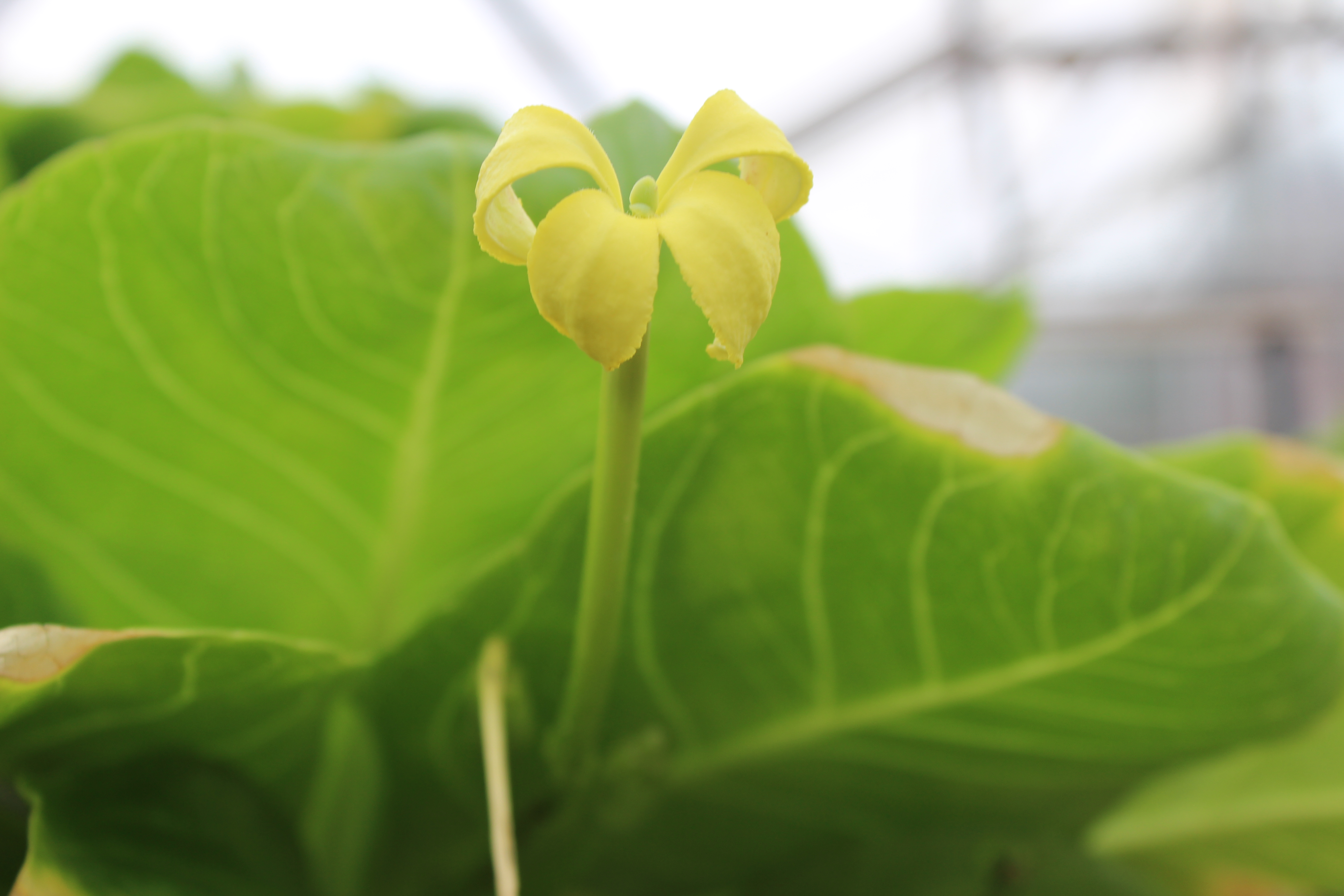
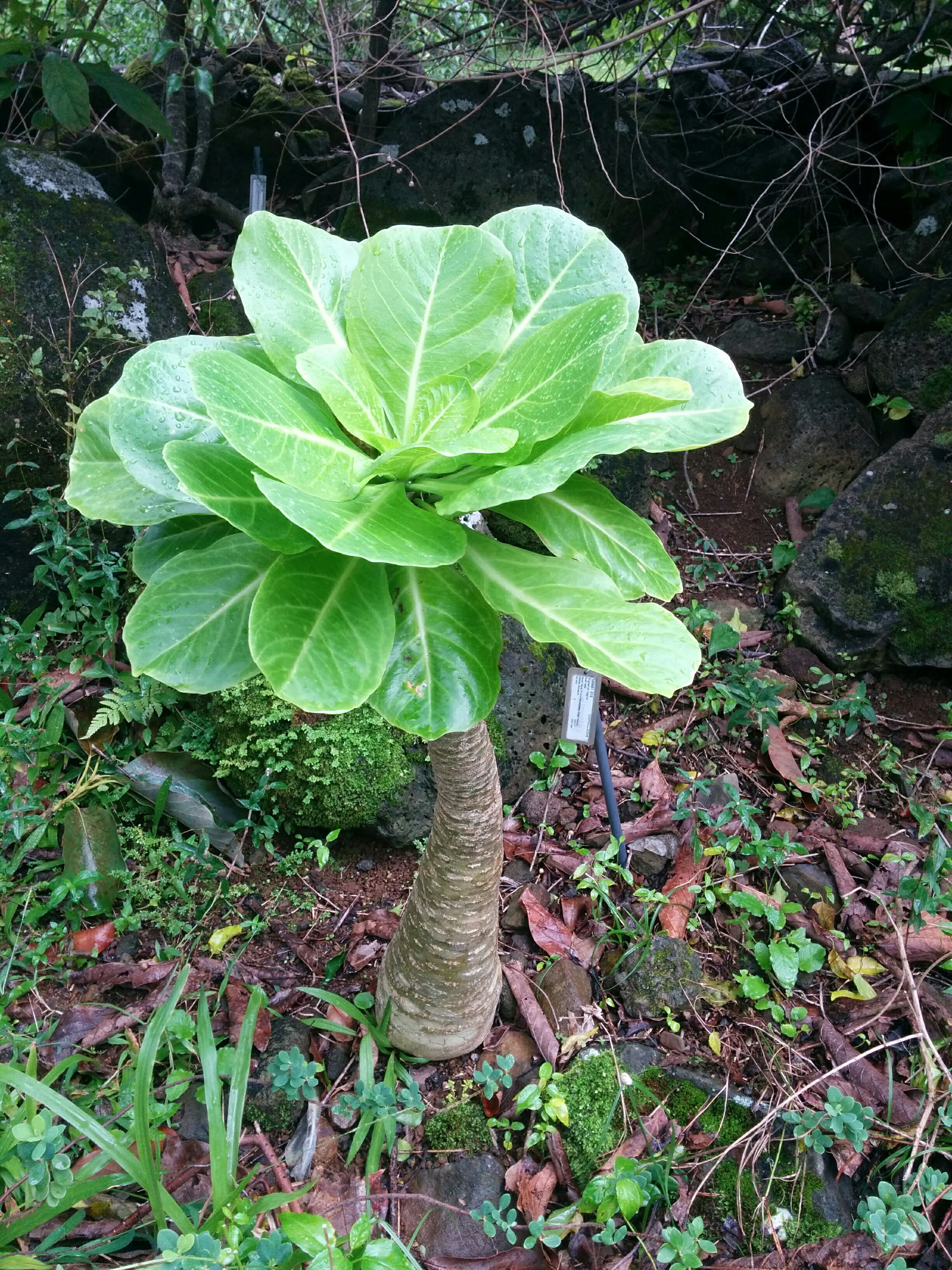
Brighamia insiginis (Hawaiian name: Alula) is an endemic and endangered plant belonging to the highly endangered group of Hawaiian Lobeliads.
There is thought to be one remaining plant in the wild, but it is unknown if it still exists today. Hawaii is home to high endemism among plants due to its recent history of human migration, lack of natural predators and geographic isolation.
However, this means the consequences of invasive species (goats, wild boar, etc,) and human-induced climate change have a disproportion effect on these species. For instance, since humans have settled the islands of Hawai’i, Brighamia‘s specialized pollinator, a Hawk Moth, has gone extinct making it extremely challenging for this plant to reproduce in the wild.
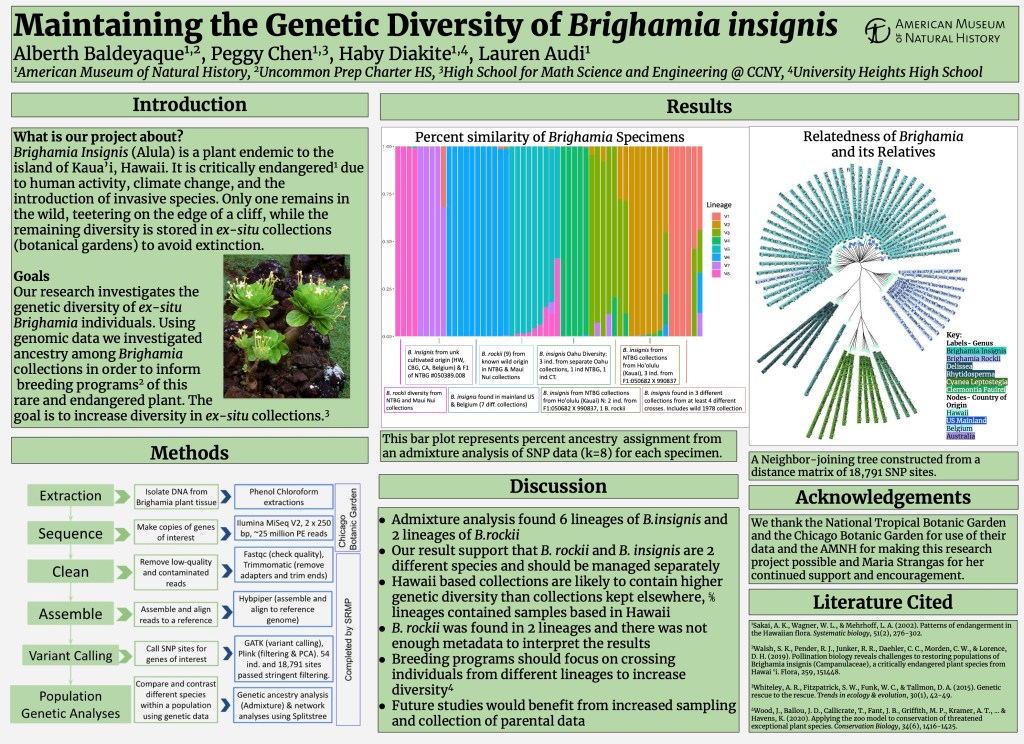
Today Brighamia insignis diversity is largerly maintained in ex-situ collections at Botanic Gardens around the world. The Chicago Botanic Gardens and the National Tropical Botanic Gardens have collaborated to use traditional zoological methods of genetic conservation and apply it to highly endangered and rare species. We use genomic methods such as Next Generation Sequencing Techniques (Hybrid Capture) to develop pedigrees to better inform breeding between institution with the aim of increasing fecundity in crosses.
This is part of a large on-going project. More information about our work can be found here and here.
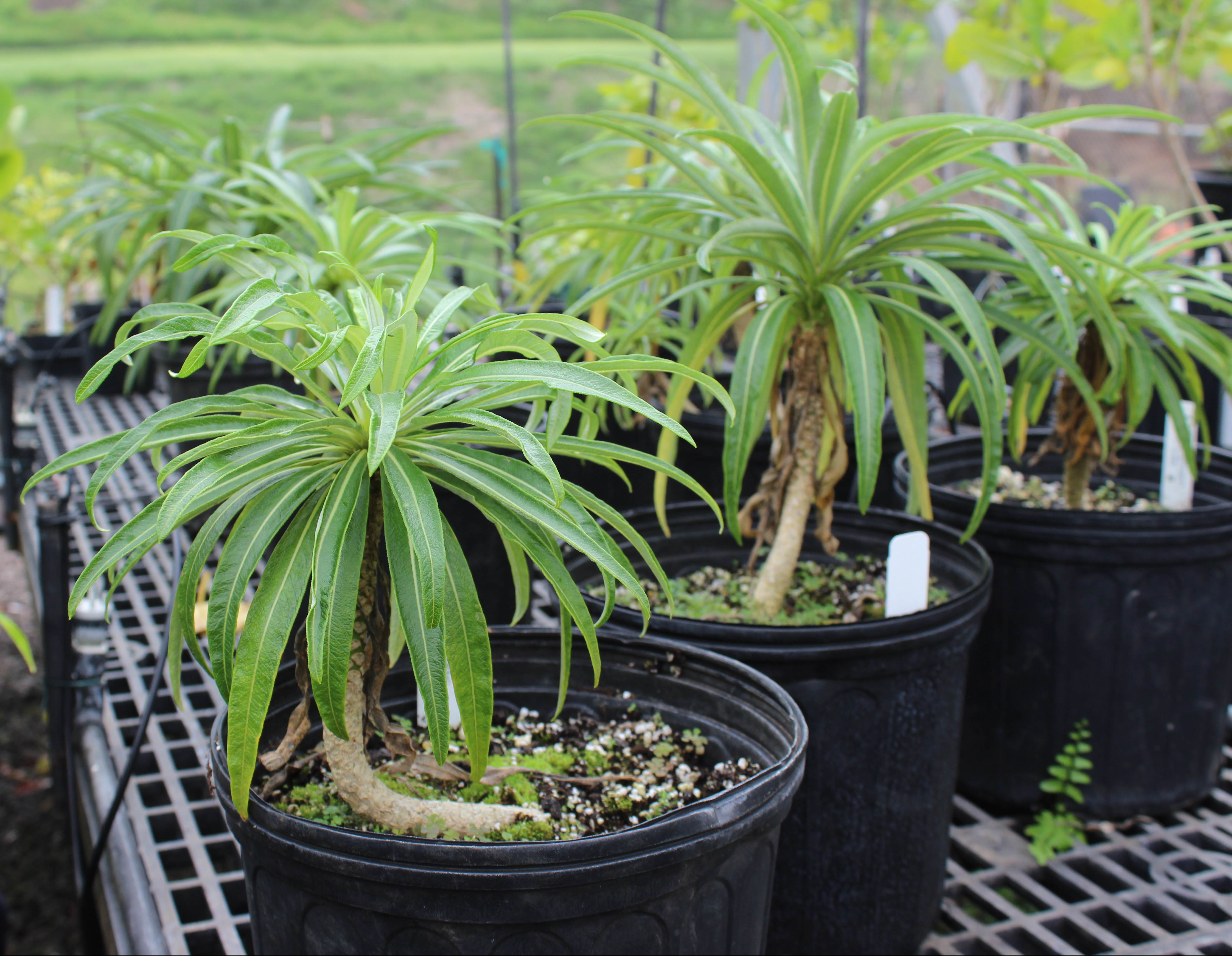

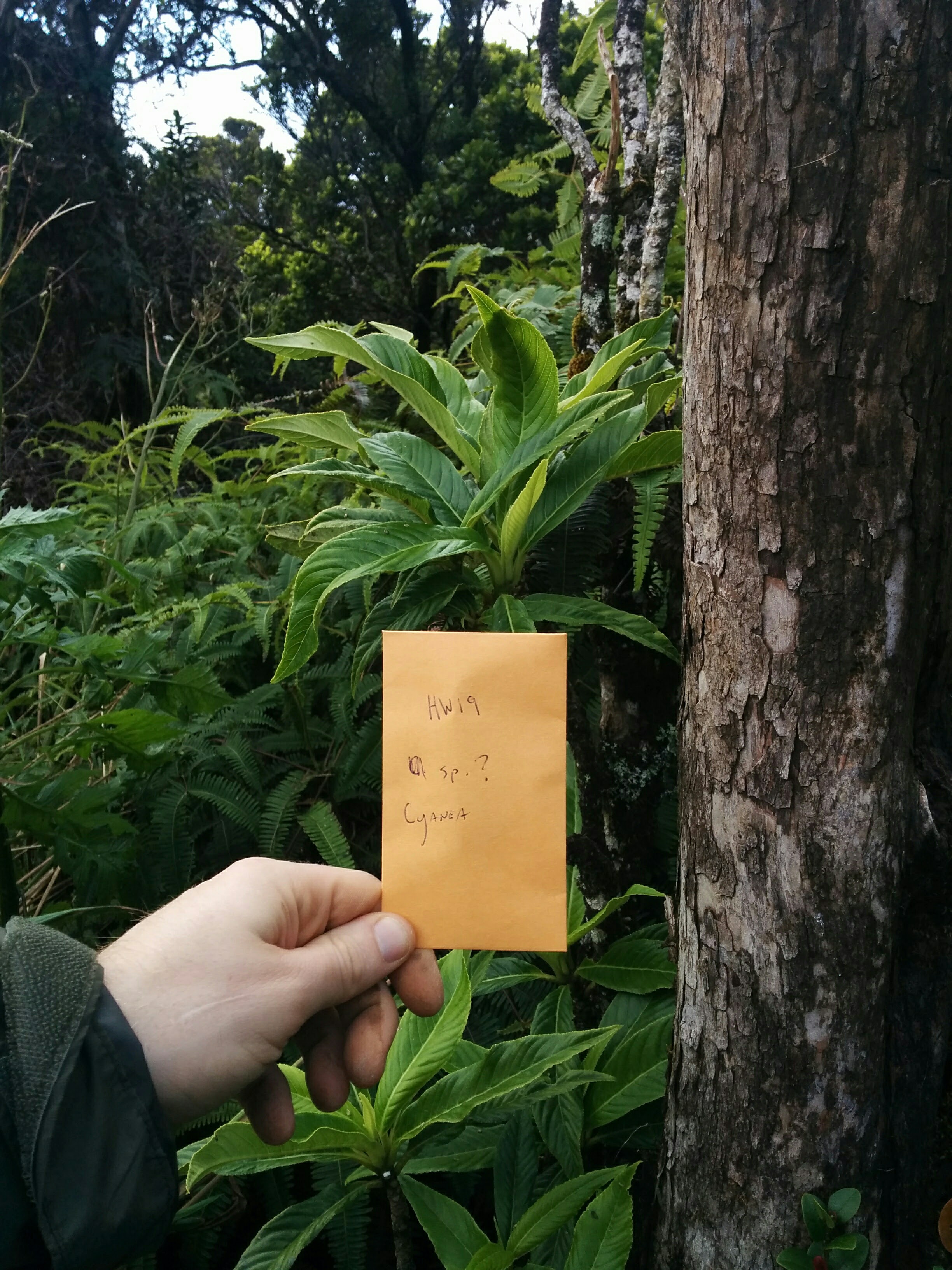
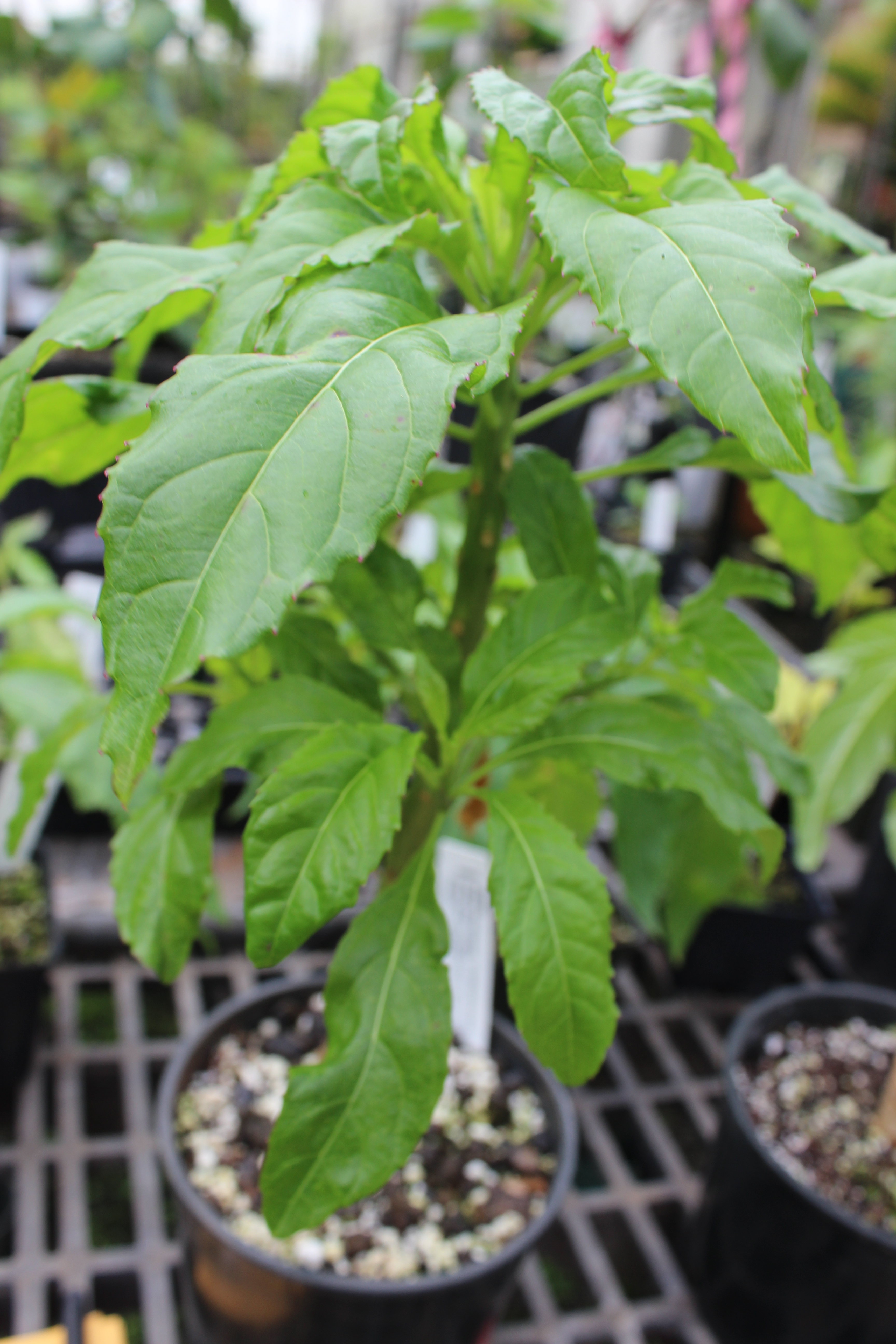
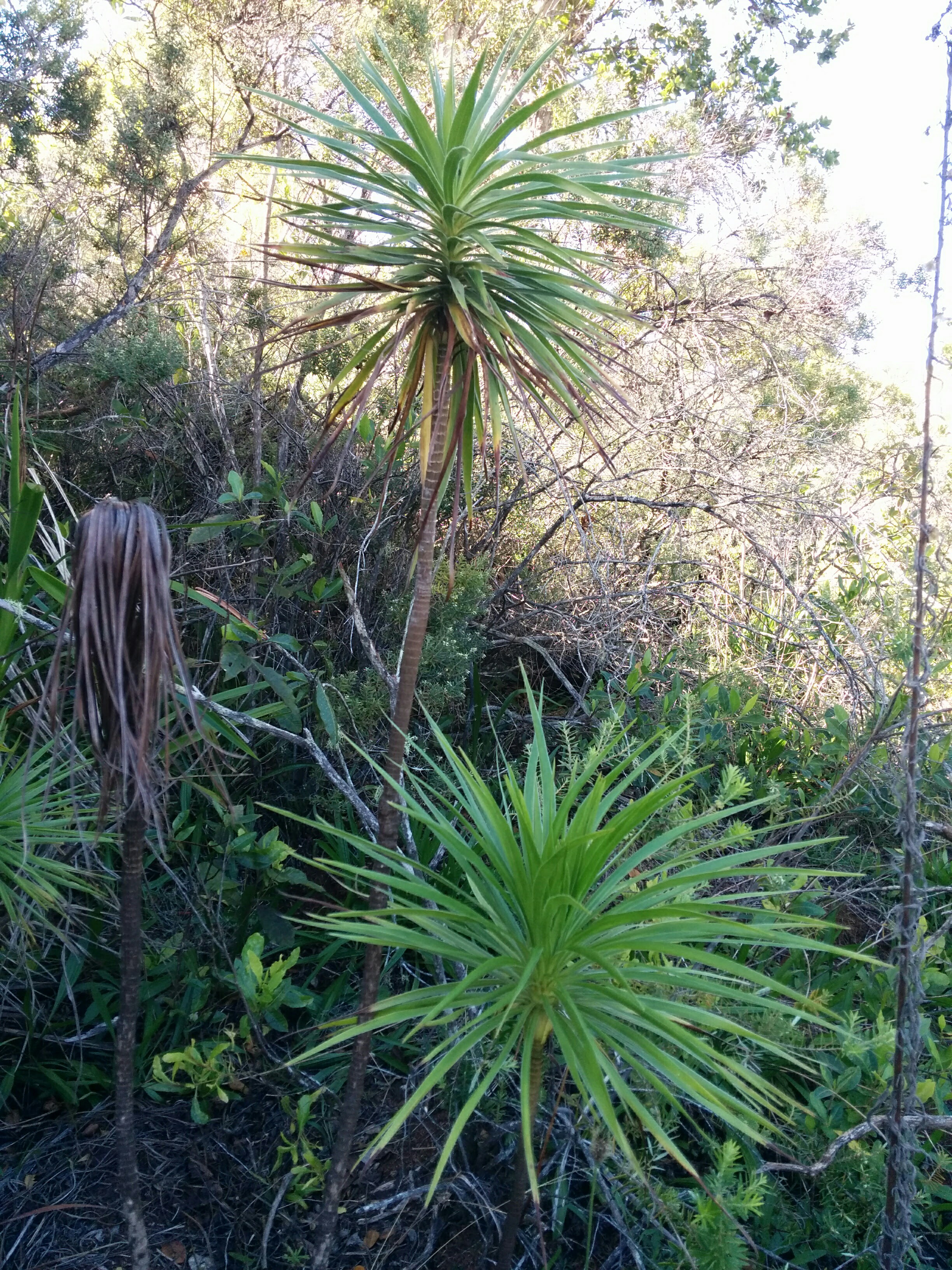
Photos from field work in Hawaii where we collected DNA material from other Hawaiian Lobeliads and historic herbarium specimens to capture diversity that may have been lost to collections.
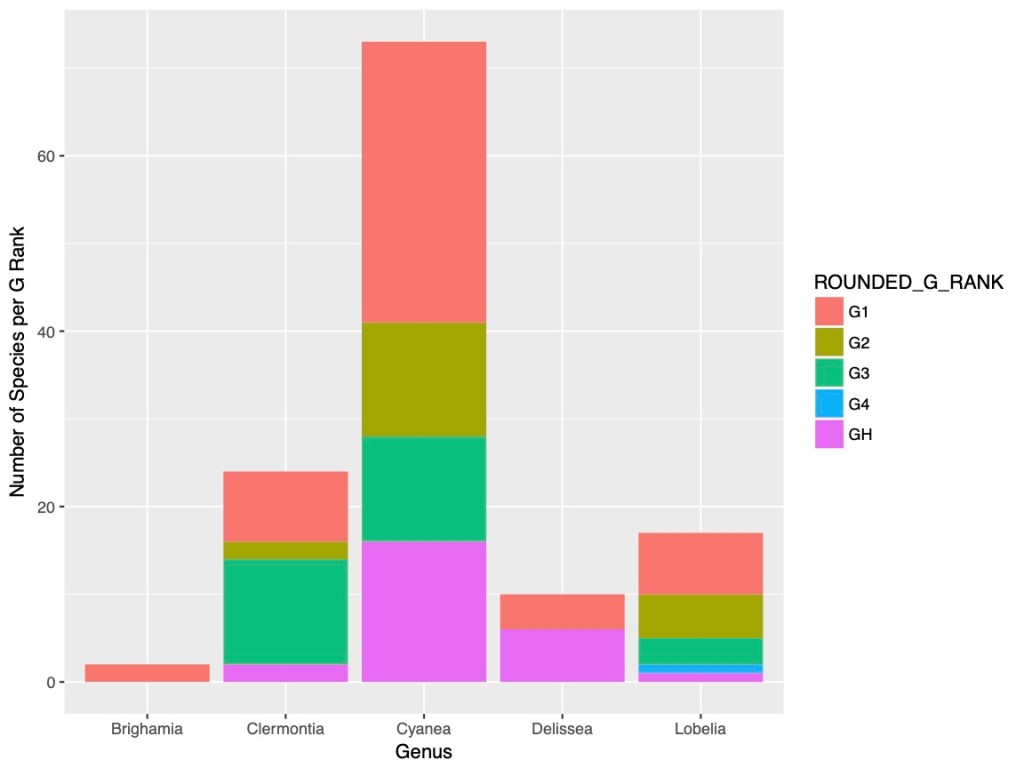
NatureServe conservation rankings for Hawaiian Lobeliads. G1: Critically Imperiled, G2: Imperiled, G3: Vulnerable, G4: Secure.

 Lauren Audi | Chlorosoma