An Ecological Multi-Omics Approach to Uncover Climate Change Relevant Stress Resilience Genes

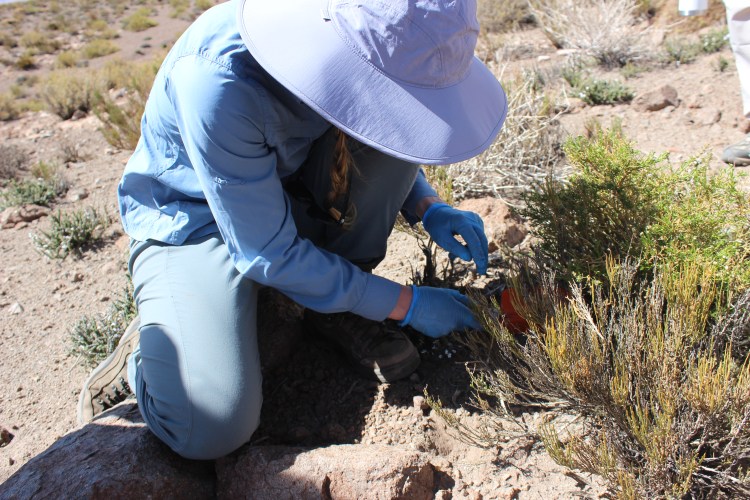
Climate change is expected to increase desertification by 17% globally, impacting our food production systems and increasing the risk of food security. Desertification and, as a result, salinization, adversely impact yields for most major crops by more than 50%. Bioengineering crop species that are resilient to changing temperatures, water scarcity and nutrient limitation is essential to improving the efficiency and sustainability of our agricultural systems. The work presented here seeks to identify and validate genes and ecological associations related to stress resilience from plants adapted to one of the most water scarce and nitrogen limited environments on earth, the Atacama Desert. Identification of these genes could lead to the development of crop species better adapted to climate predictions.

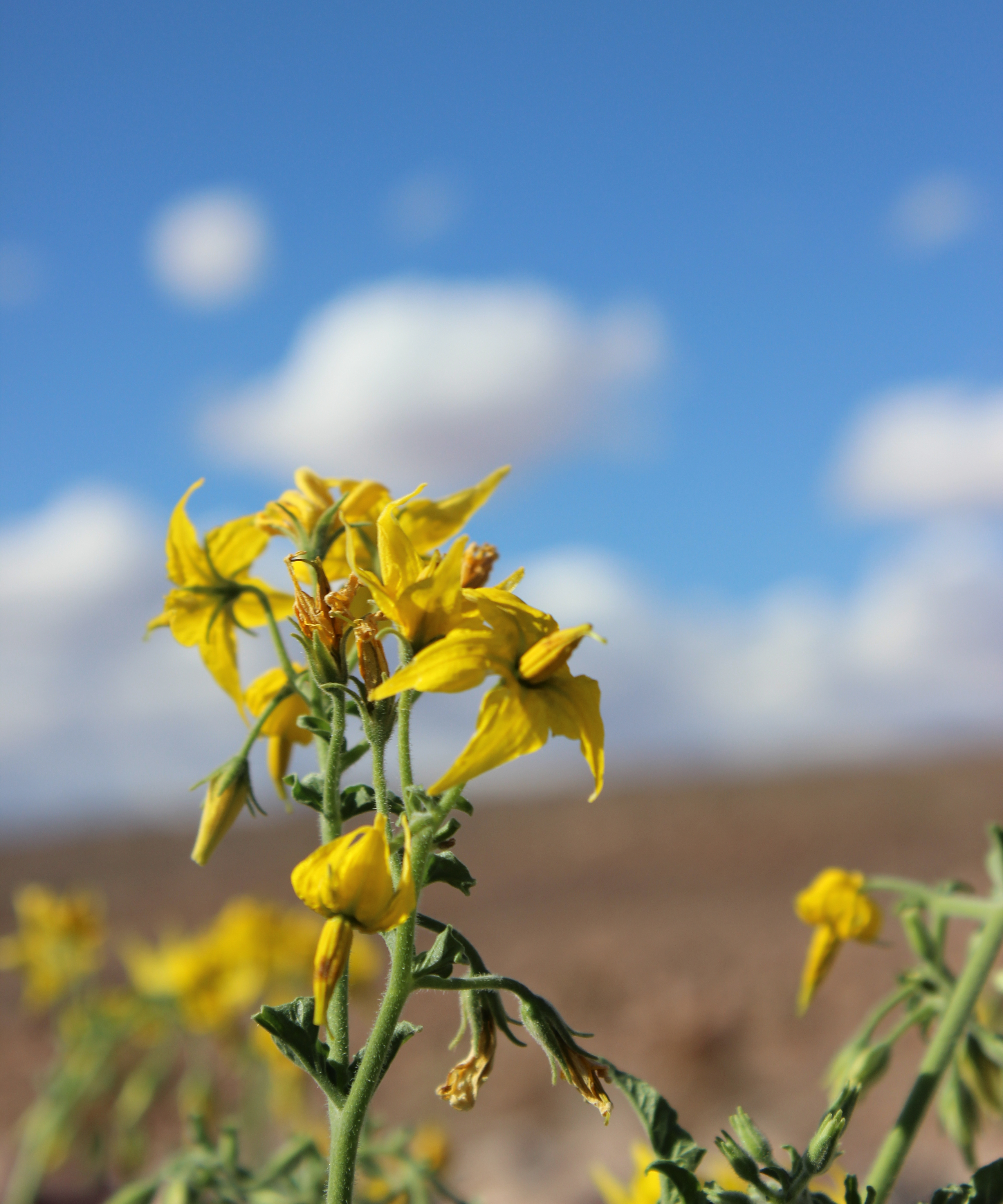
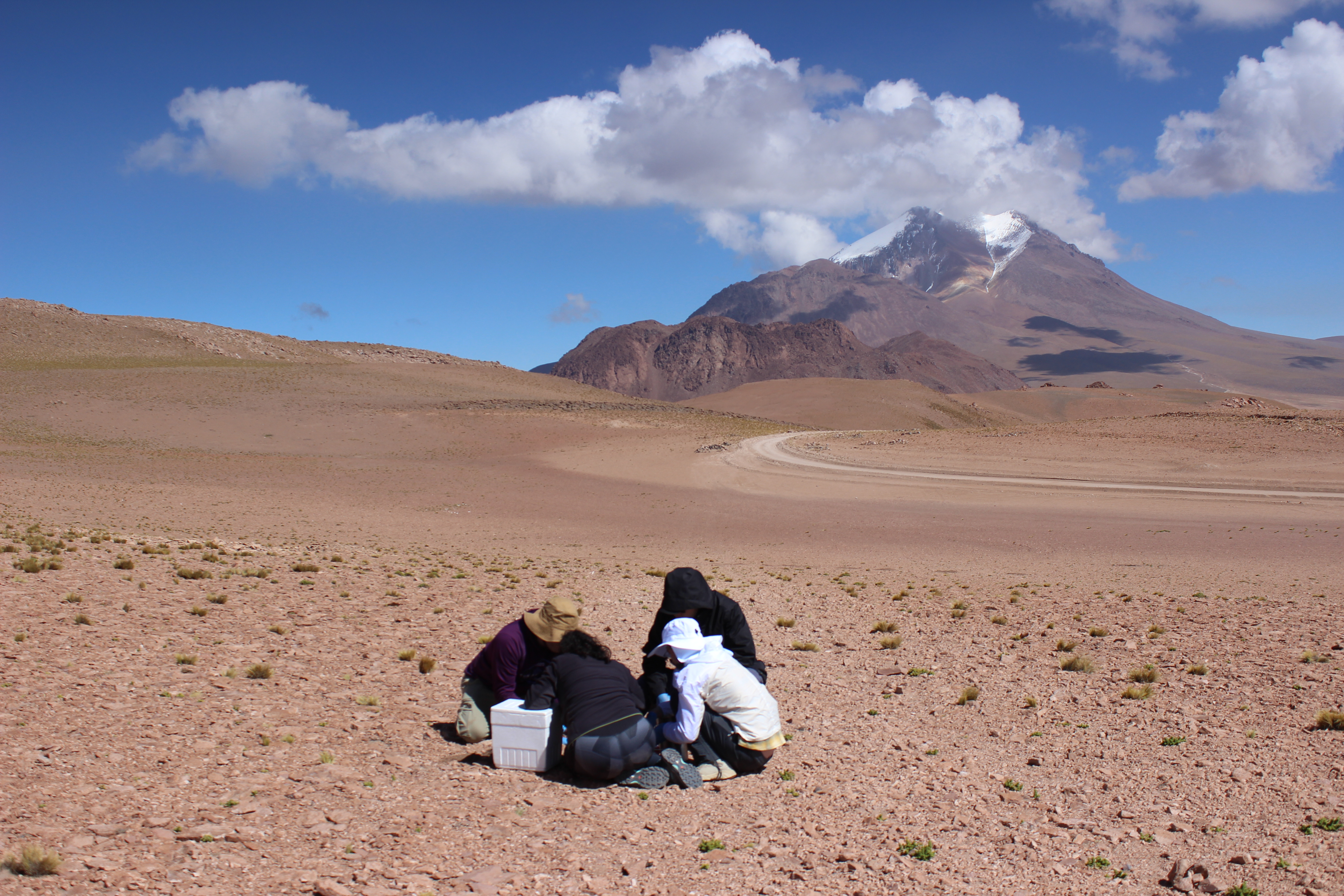
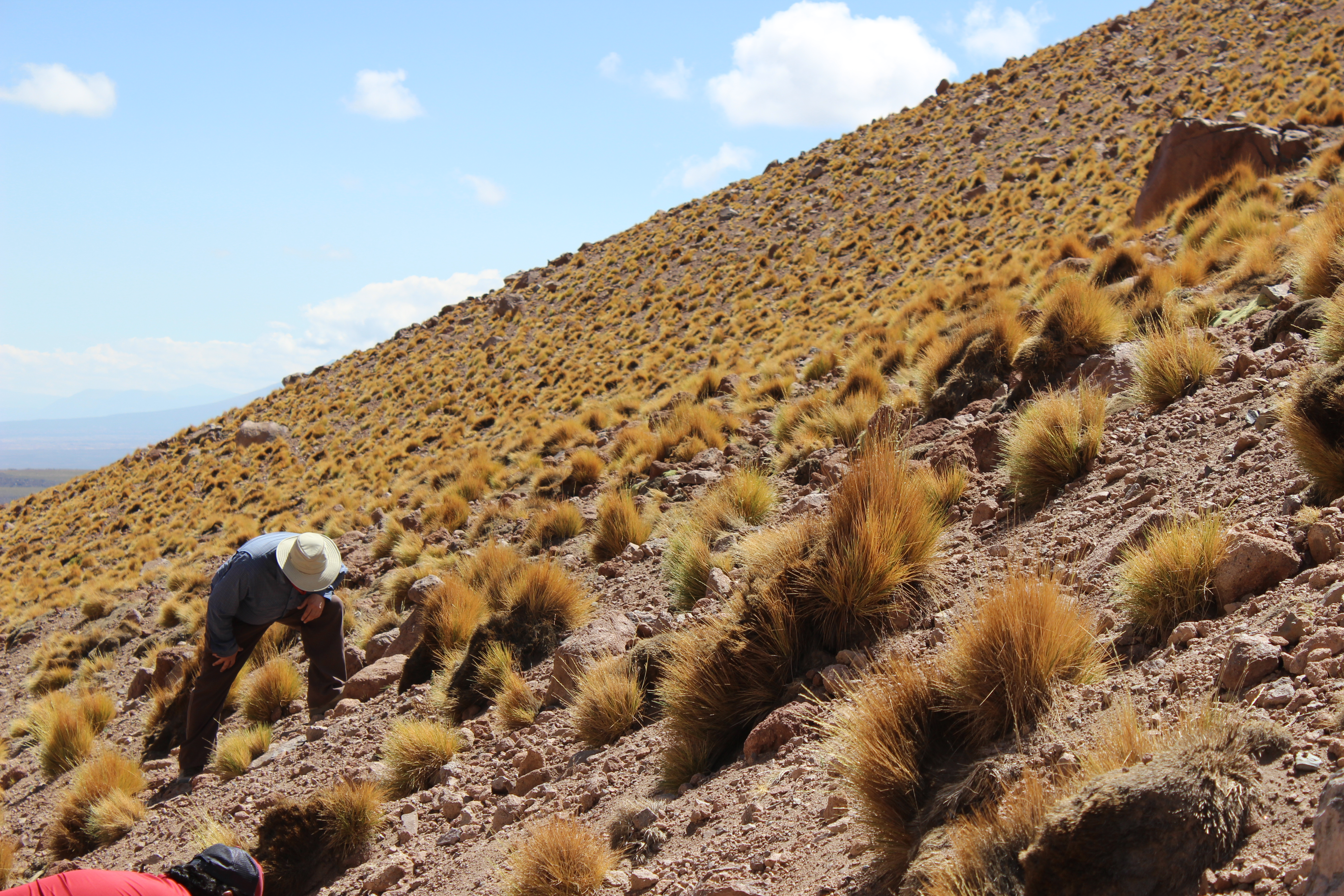
The Atacama Desert is the driest, non-polar region on earth. It is characterized by hyper-arid conditions, high UV irradiance levels and extremely low soil nitrogen content, yet over 60 plant species grow there. Ongoing collaboration between New York University (NYU), Pontificia Universidad Católica de Chile, and New York Botanical Garden (NYBG) employs a phylogenomic approach to study how plants have adapted to this harsh climate.
Additionally, I apply a similar approach to a case study of a threatened species from an endangered ecosystem to demonstrate how multi-omics approaches can inform the conservation of species at risk due to climate change.
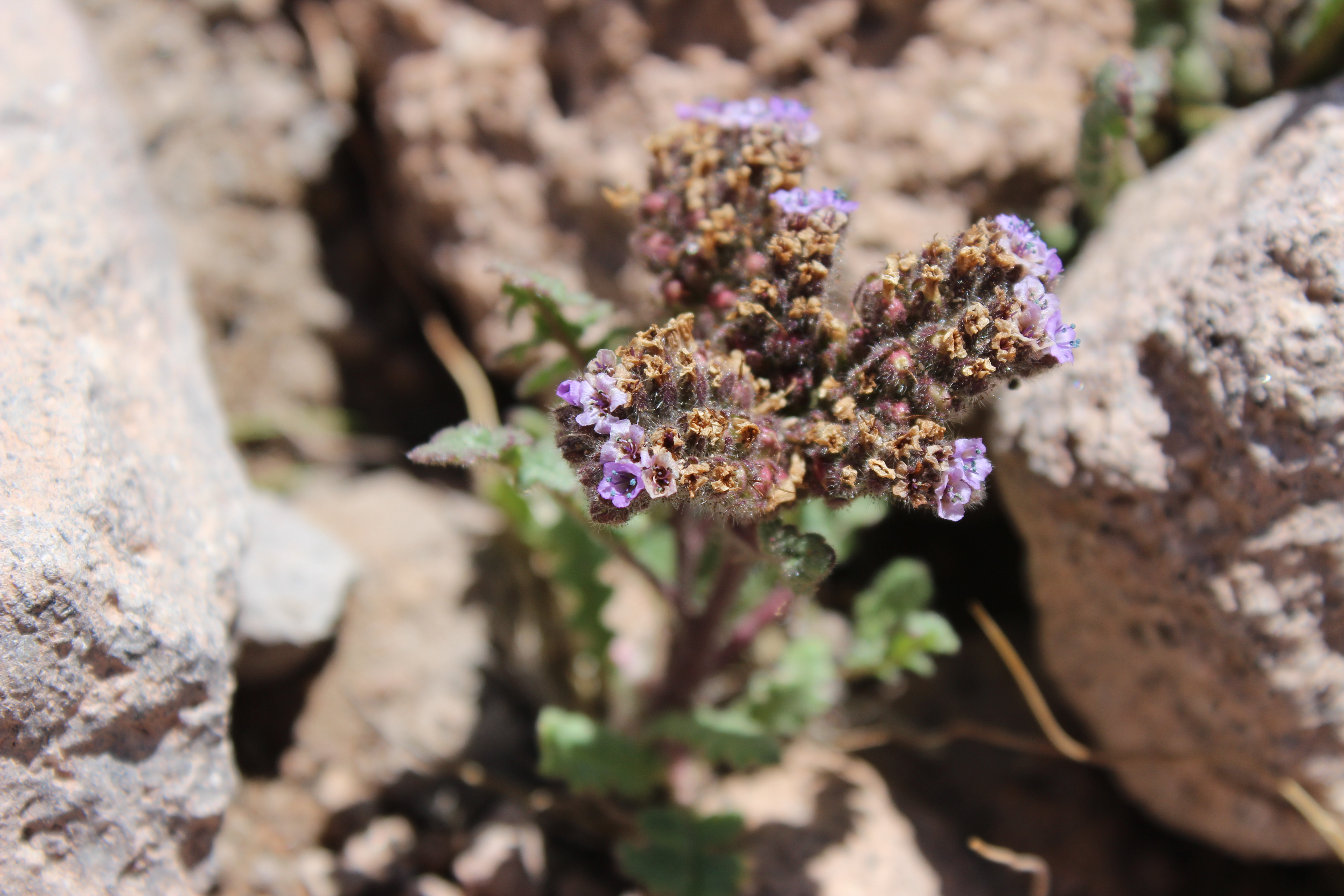
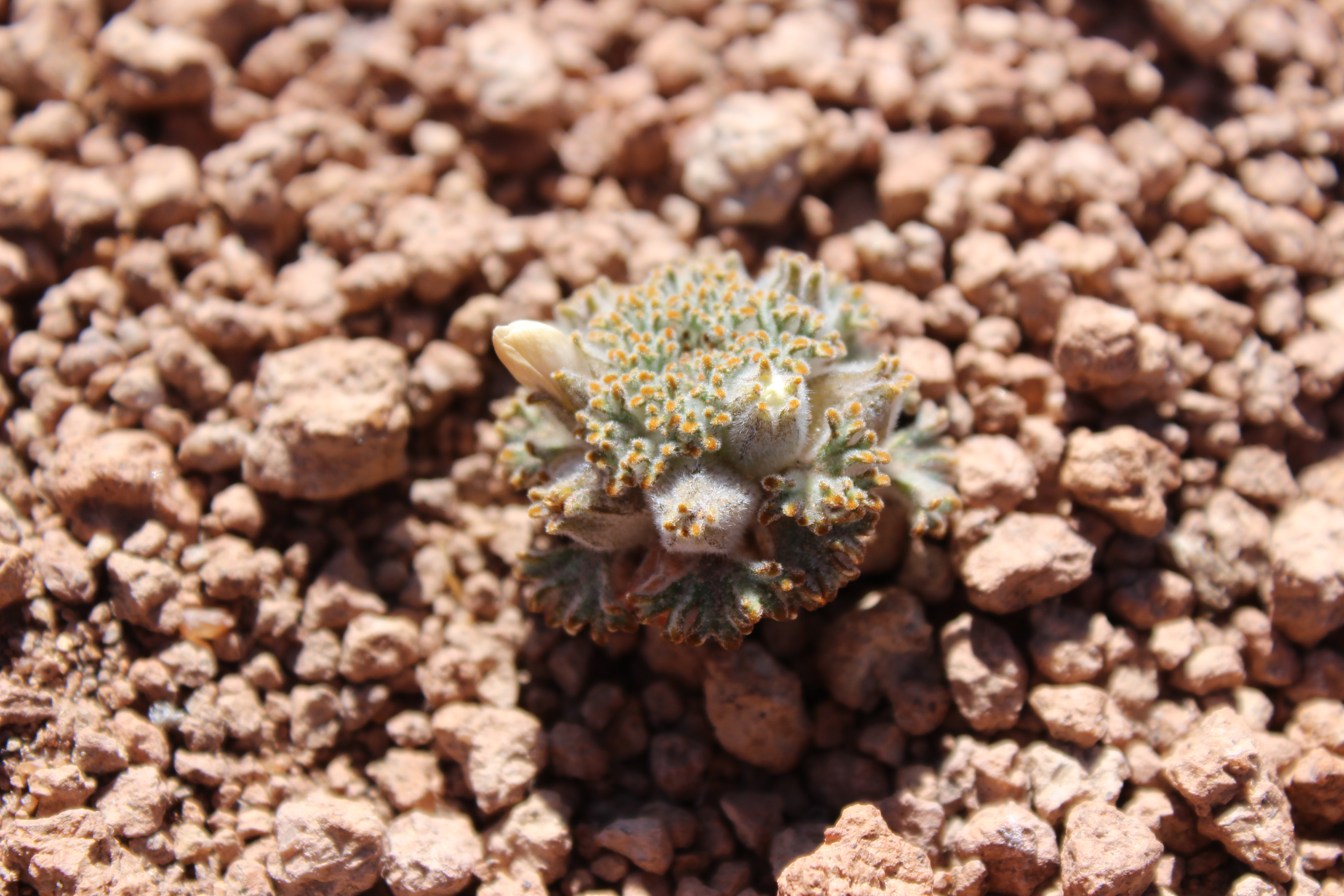
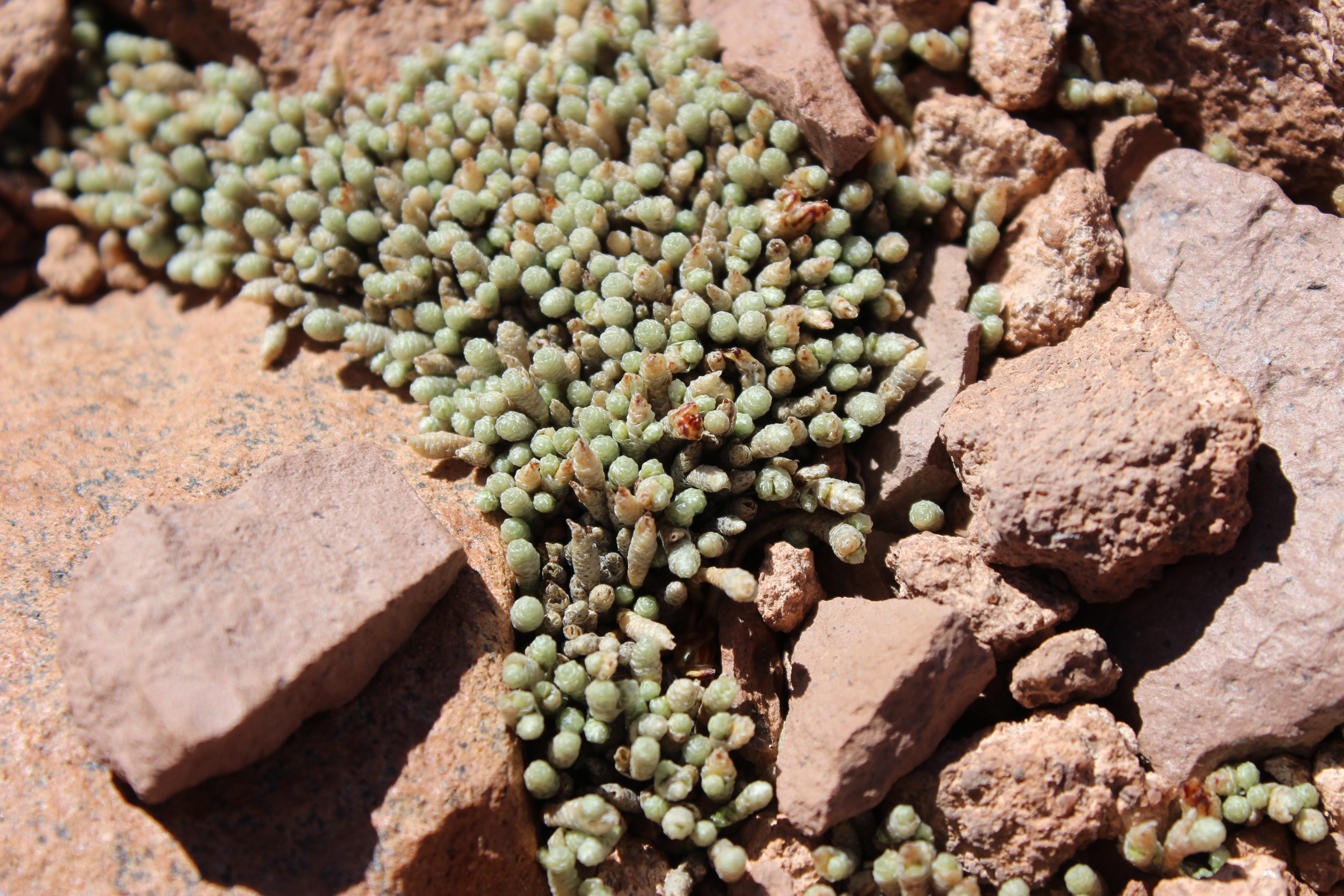
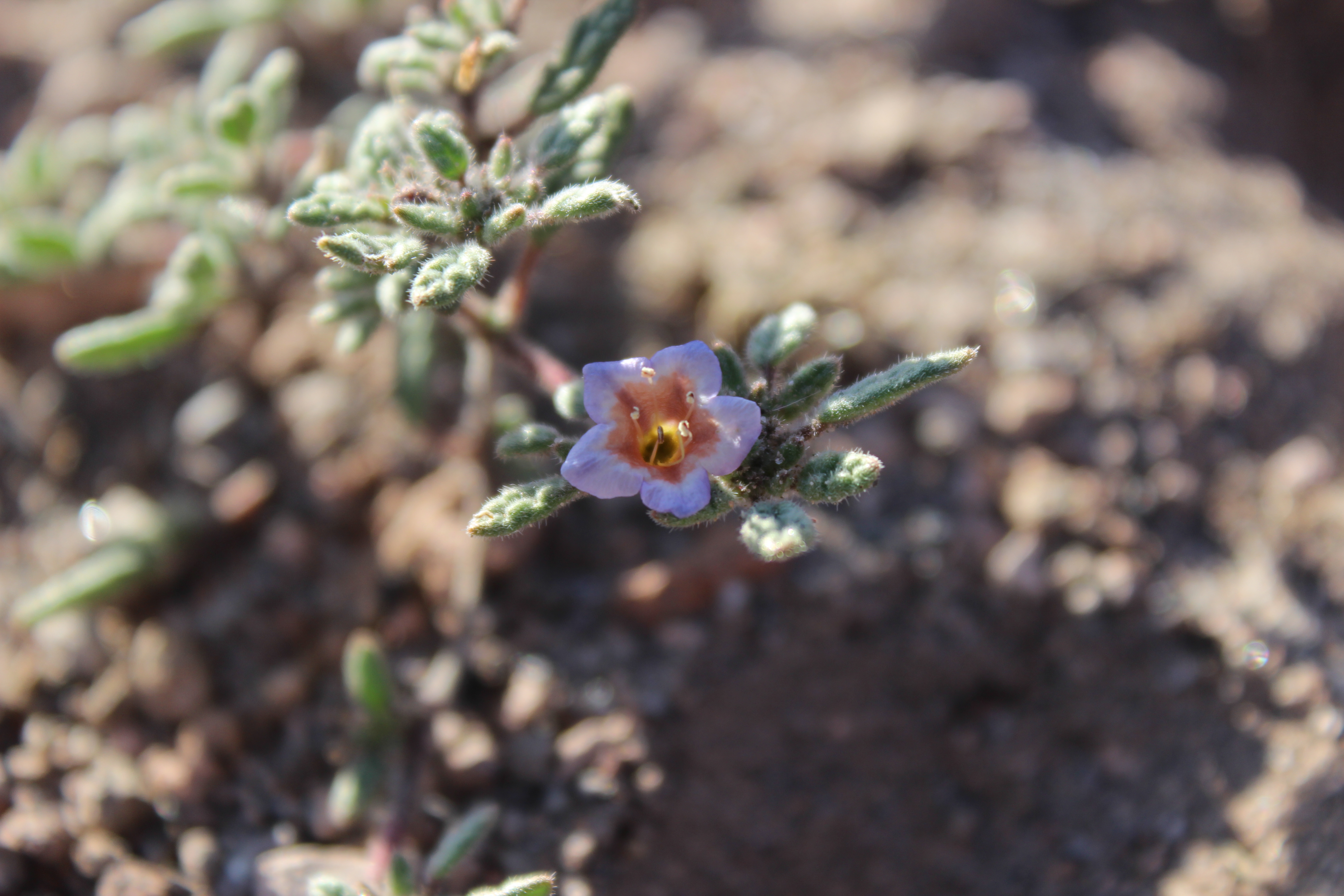
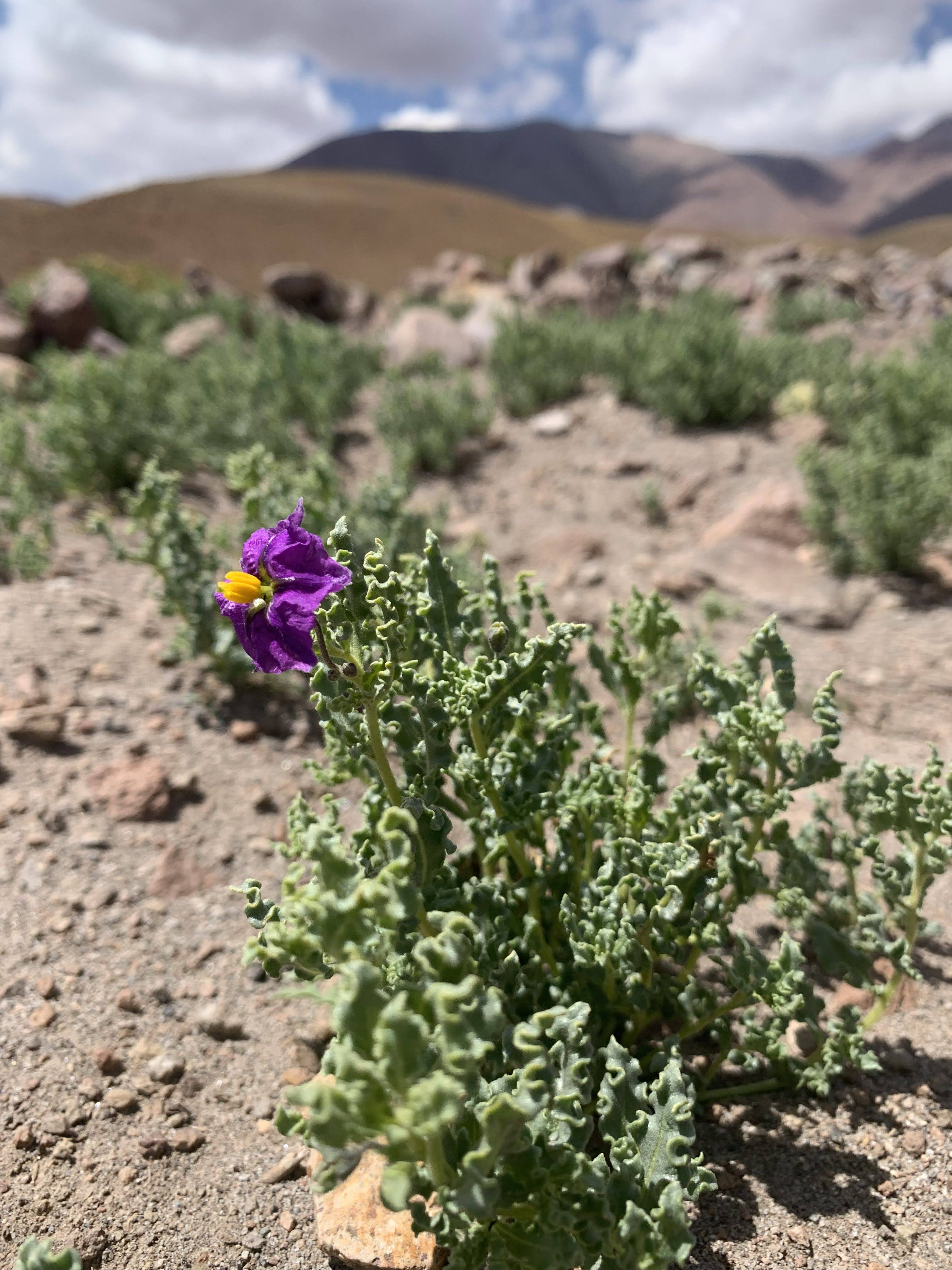
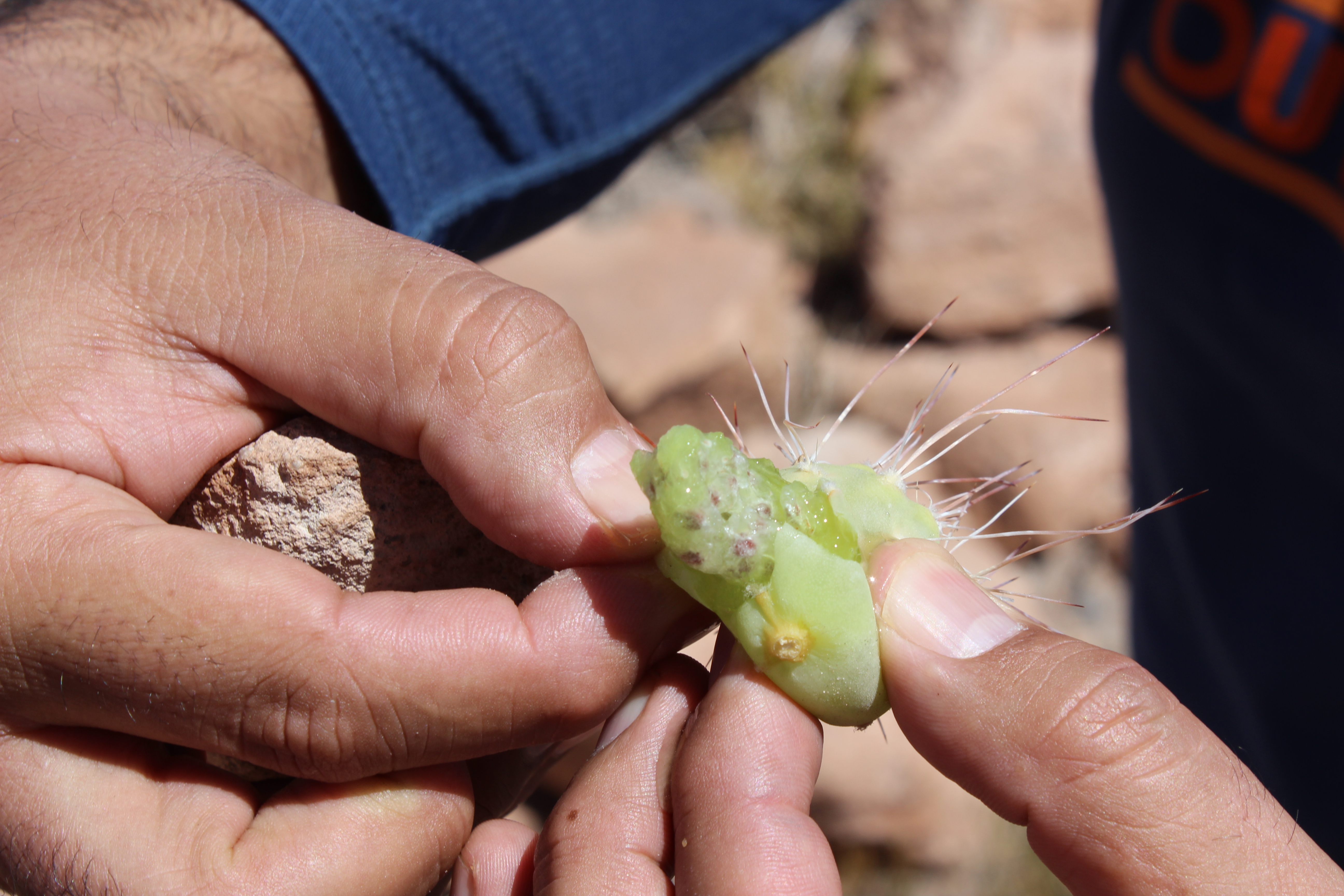
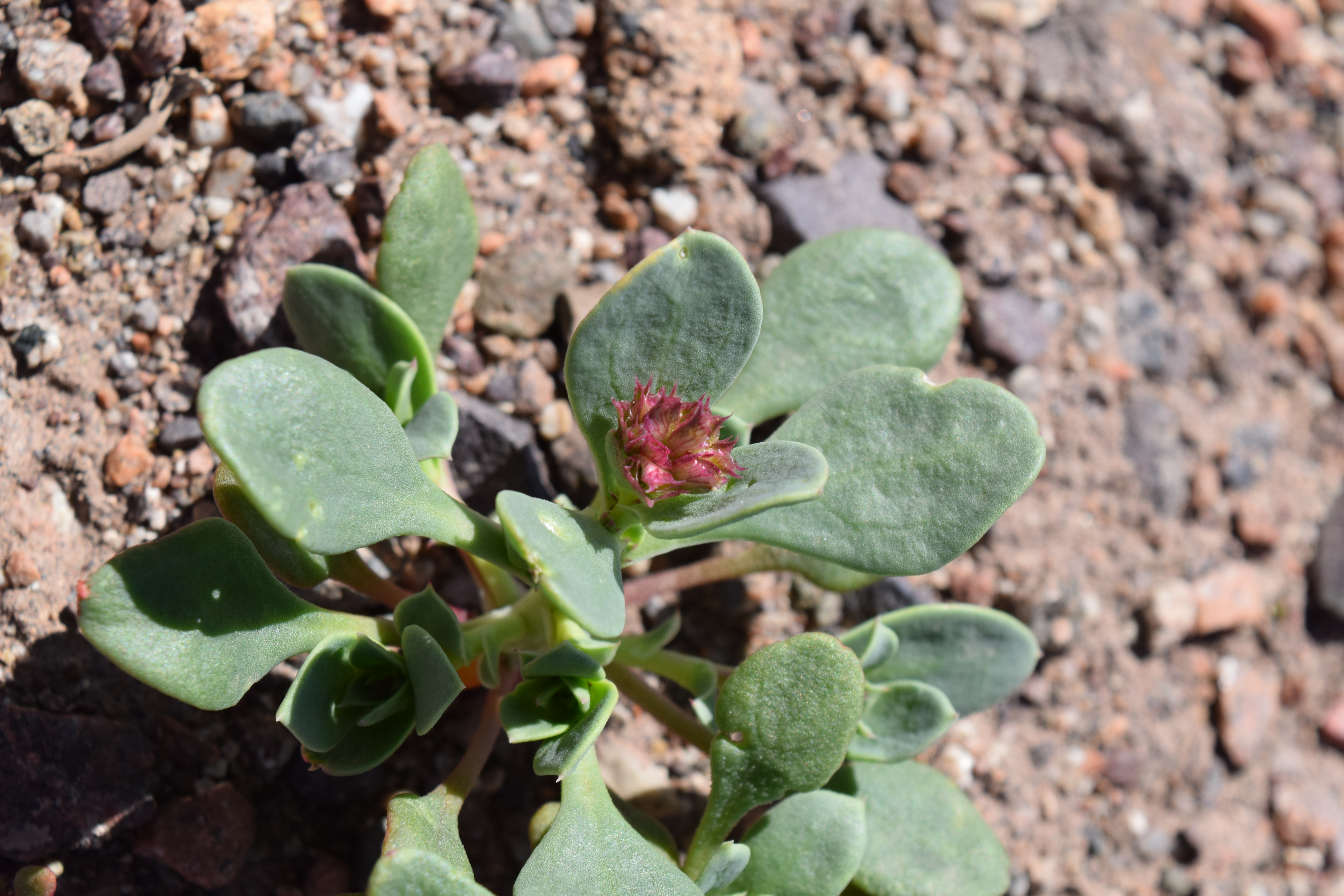
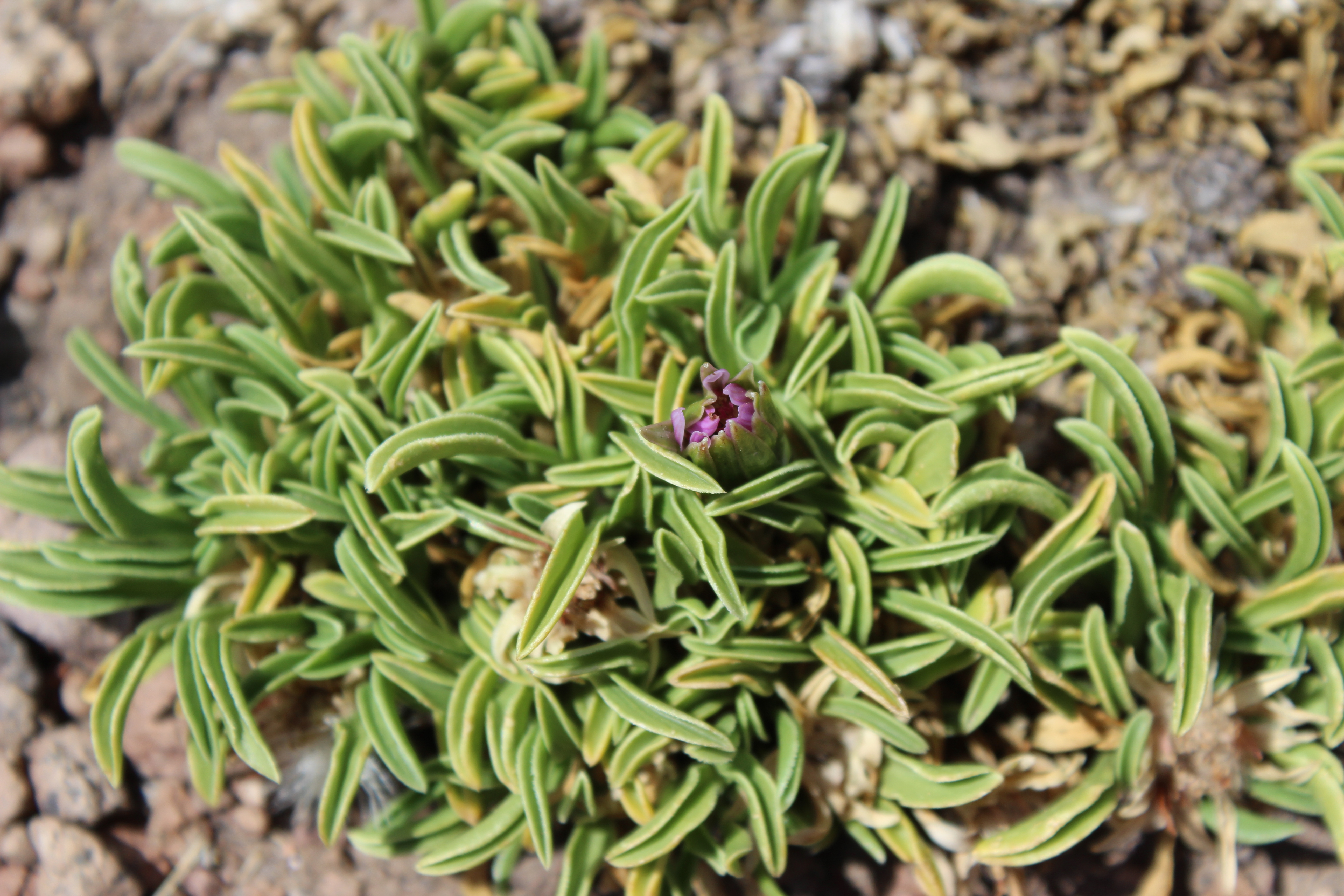
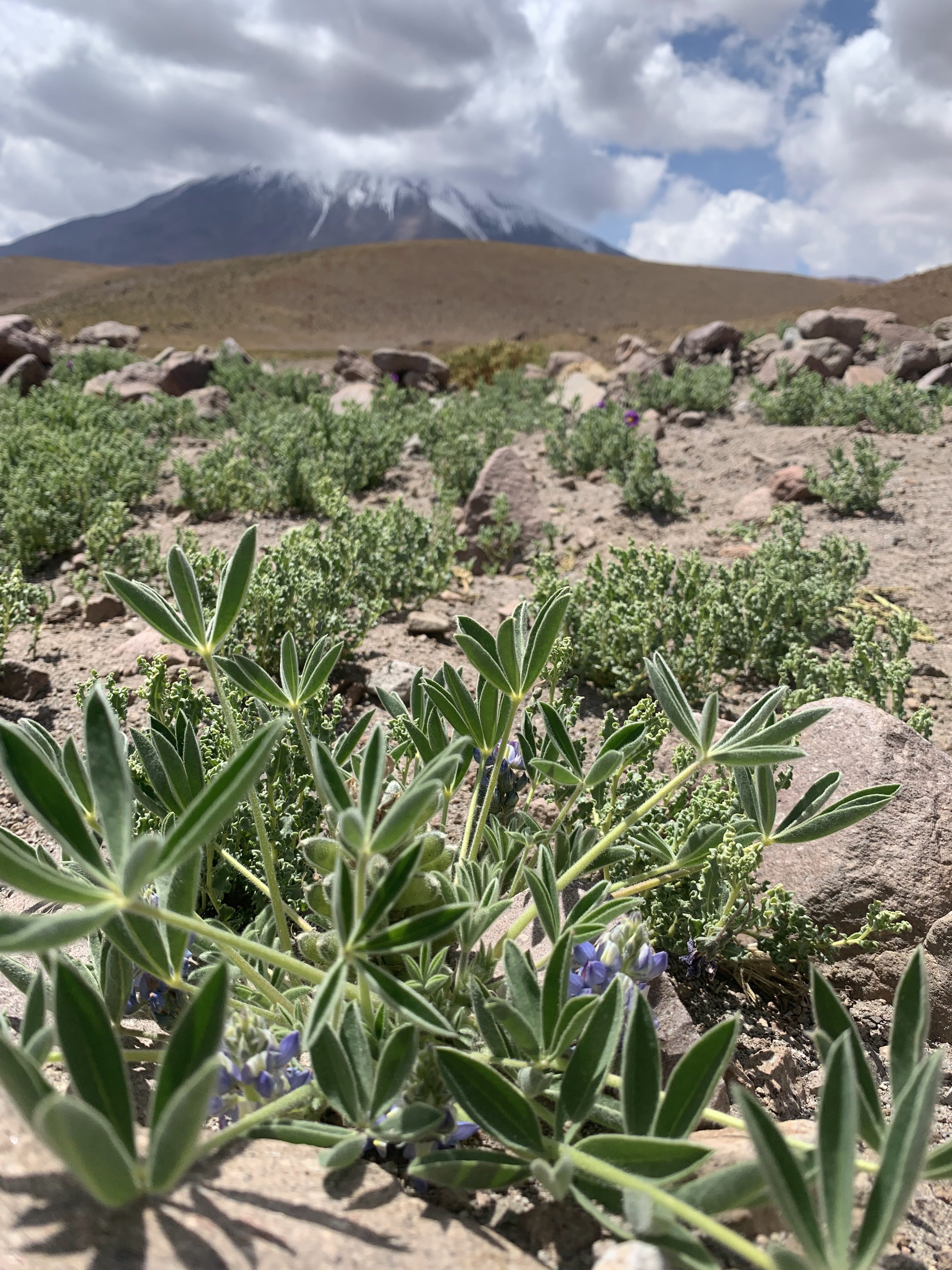
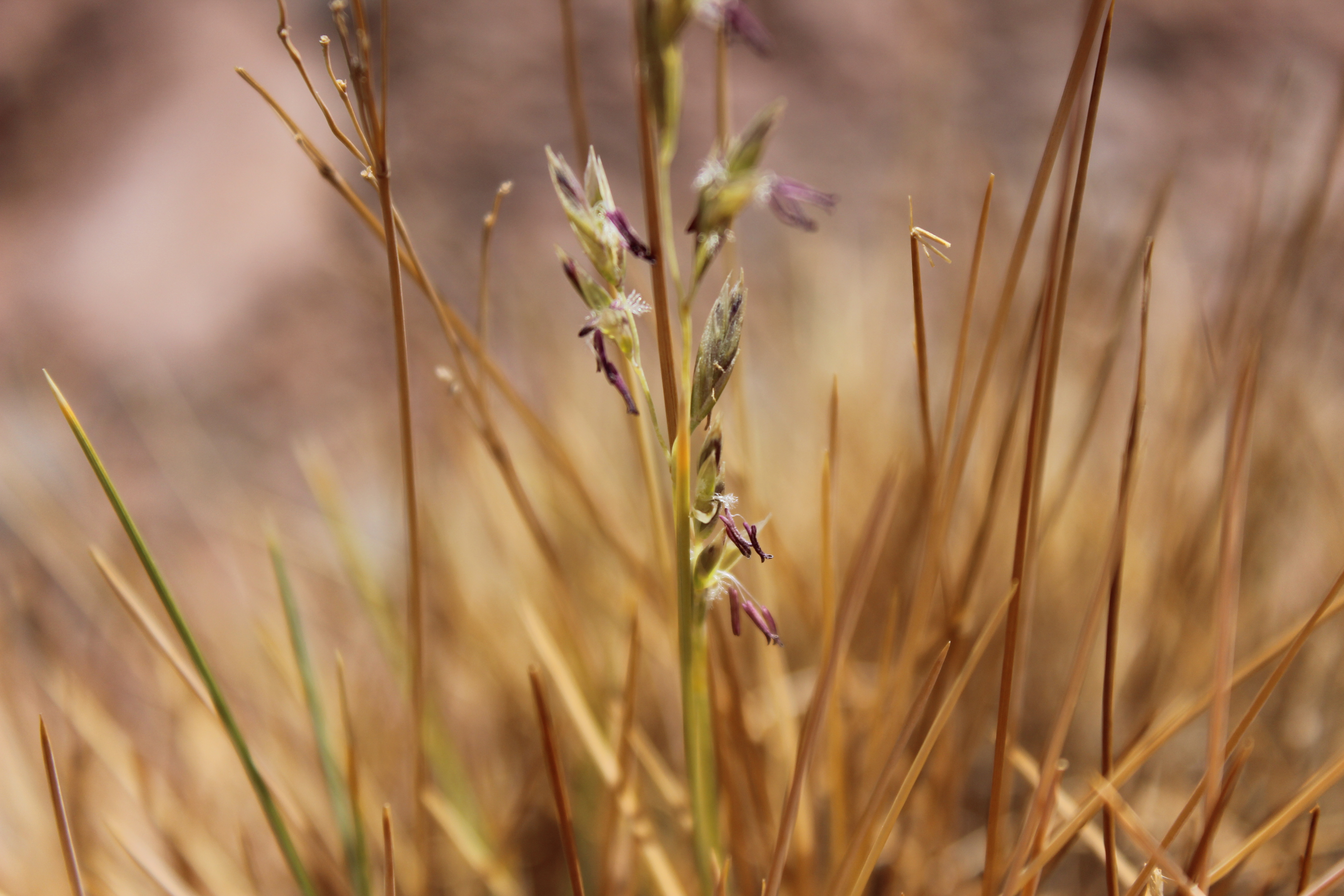
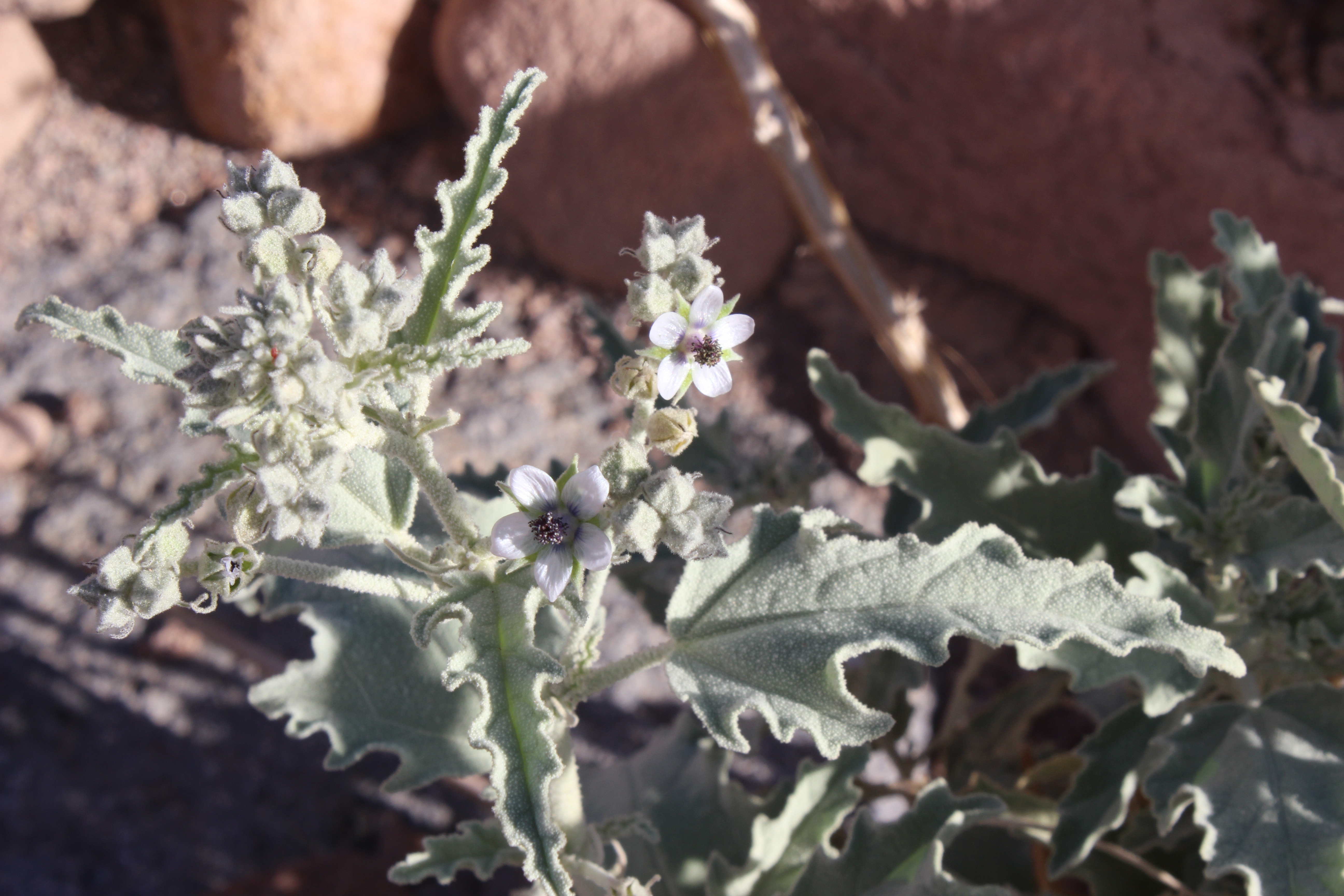
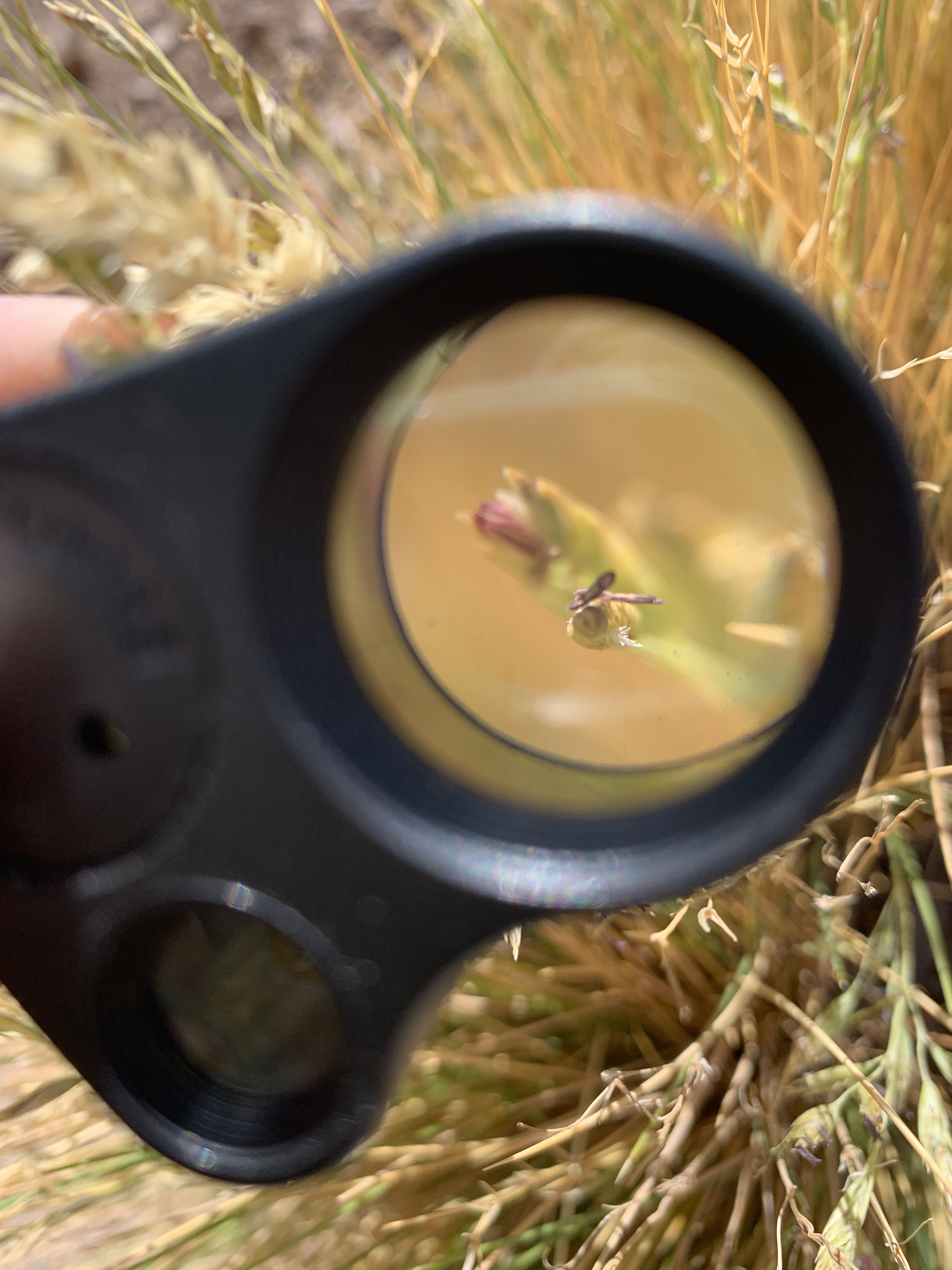
2023 Talabre de Atacama Collections: From the Field to the Lab




 Lauren Audi | Chlorosoma